

Would you like to join us?
Please contact us at contact@connornordic.org.
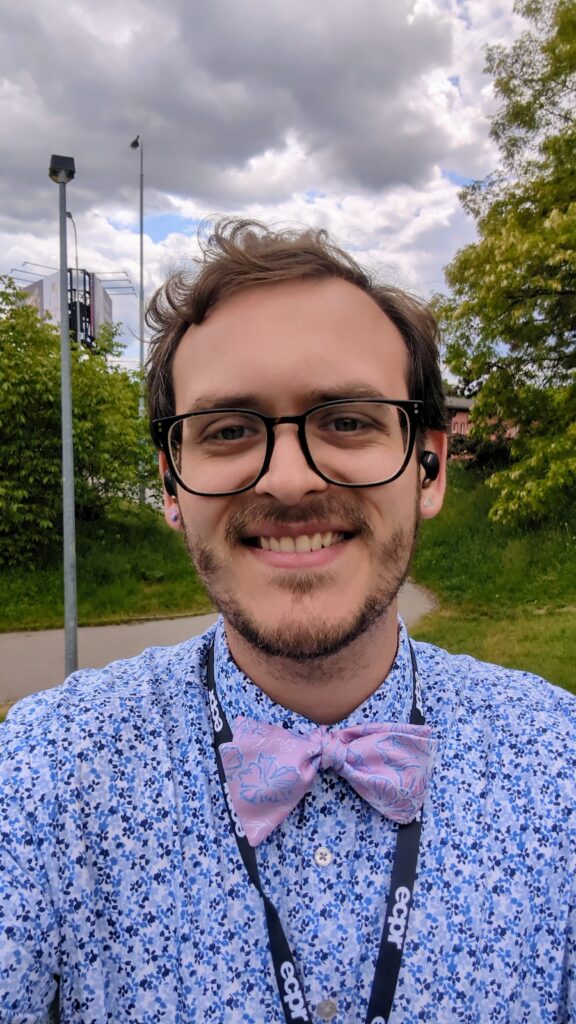
Robert Dickinson
University of Sussex, England
Dr. Robert Dickinson holds a PhD in psychology and public health from the University of Sussex, investigating interventions against far-right misinformation. His research interests and expertise focuses on processes of far-right radicalisation, political misinformation, social media amplification, conspiracism, authoritarianism, and political violence. He is the founder of the Far-right Radicalisation in Alternative Media Sources (FRAMES) project, which works to expose contemporary far-right radicalisation pathways in social media. He was a 2024 US Presidential Election Research Fellow with the Dangerous Speech Project, tracing electoral violence and hate speech in the Trump 2024 campaign. He is currently seeking postdoctoral positions, fellowships, and Early Career Research opportunities.
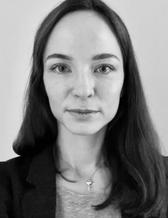
Caroline Reinhammar
University of Gothenburg, Sweden
Caroline Reinhammar is a PhD student in Ethnology at the Department of Cultural Sciences at the University of Gothenburg, Sweden. Her research focuses on epistemic conflicts as they manifest in contemporary digital folklore related to the climate crisis, including conspiracy narratives. She is affiliated with the Swedish interdisciplinary research school FUDEM – Future of Democracy: Cultural Analyses of Illiberal Populism in Times of Crises.
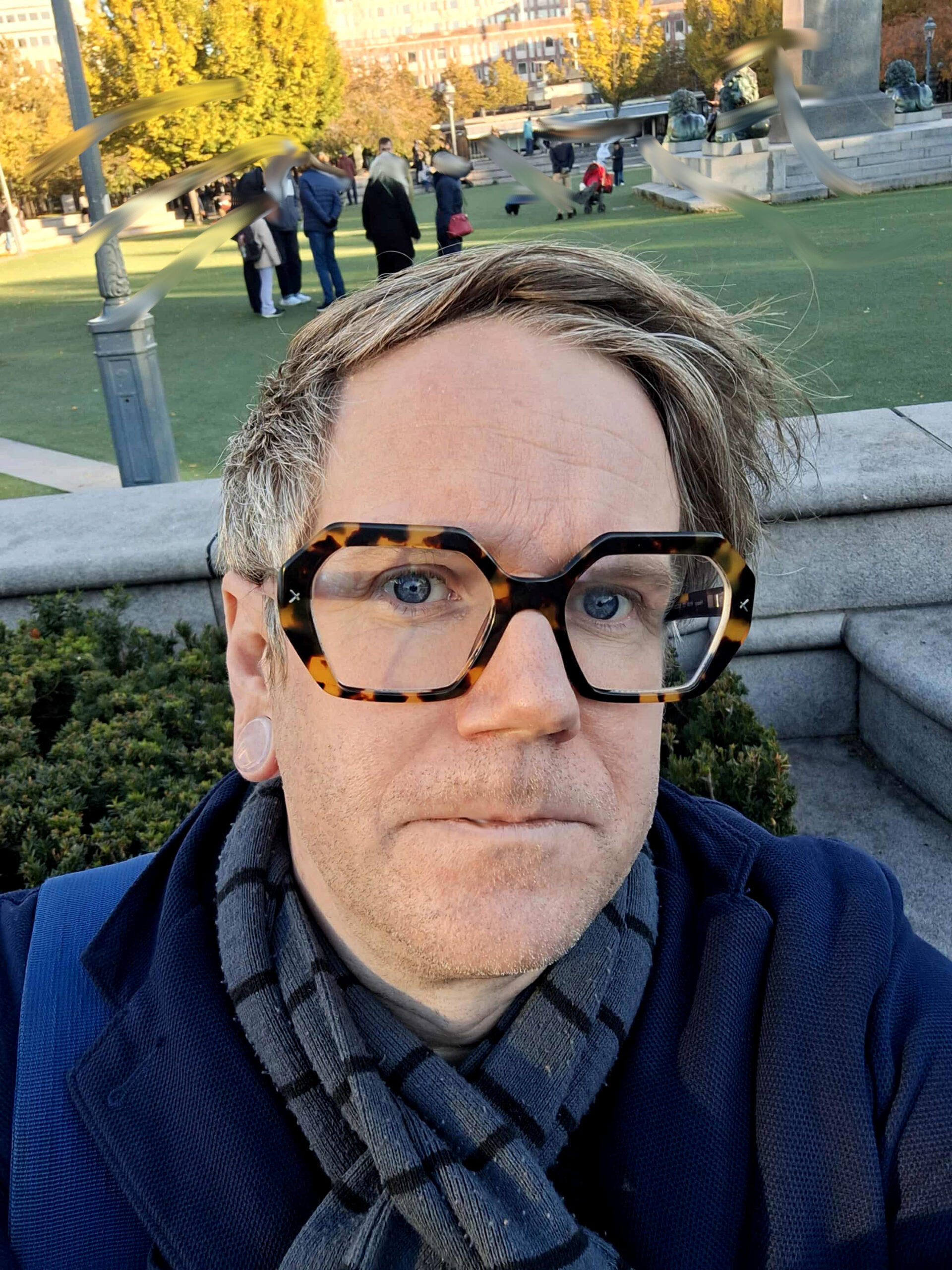
Rikard Friberg von Sydow
Södertörn University, Stockholm
Dr Rikard Friberg von Sydow is a Senior Lecturer in Archival Science and Head of the department of Archival Science and Library and Information Science at Södertörn University, Stockholm. His research focuses, among other things, on the history of information management and on studies of internet culture, especially in its more extreme forms.

Massimiliano Demata
University of Catania, Italy
Massimiliano Demata is a full Professor of English Linguistics at the University of Catania. He has published widely on political and media discourse in the UK and the USA, conspiracy theories, the language of populism and discourses on borders, nationalism and immigration. He has co-edited Conspiracy Theory Discourses (John Benjamins, 2022) and the Routledge Handbook of Discourse and Disinformation (Routledge 2023). His latest single-authored monograph is Discourses of Nation and the Borders in the USA (Routledge, 2022). He is also the editor of the Journal of Language and Discrimination, published by the University of Toronto Press.
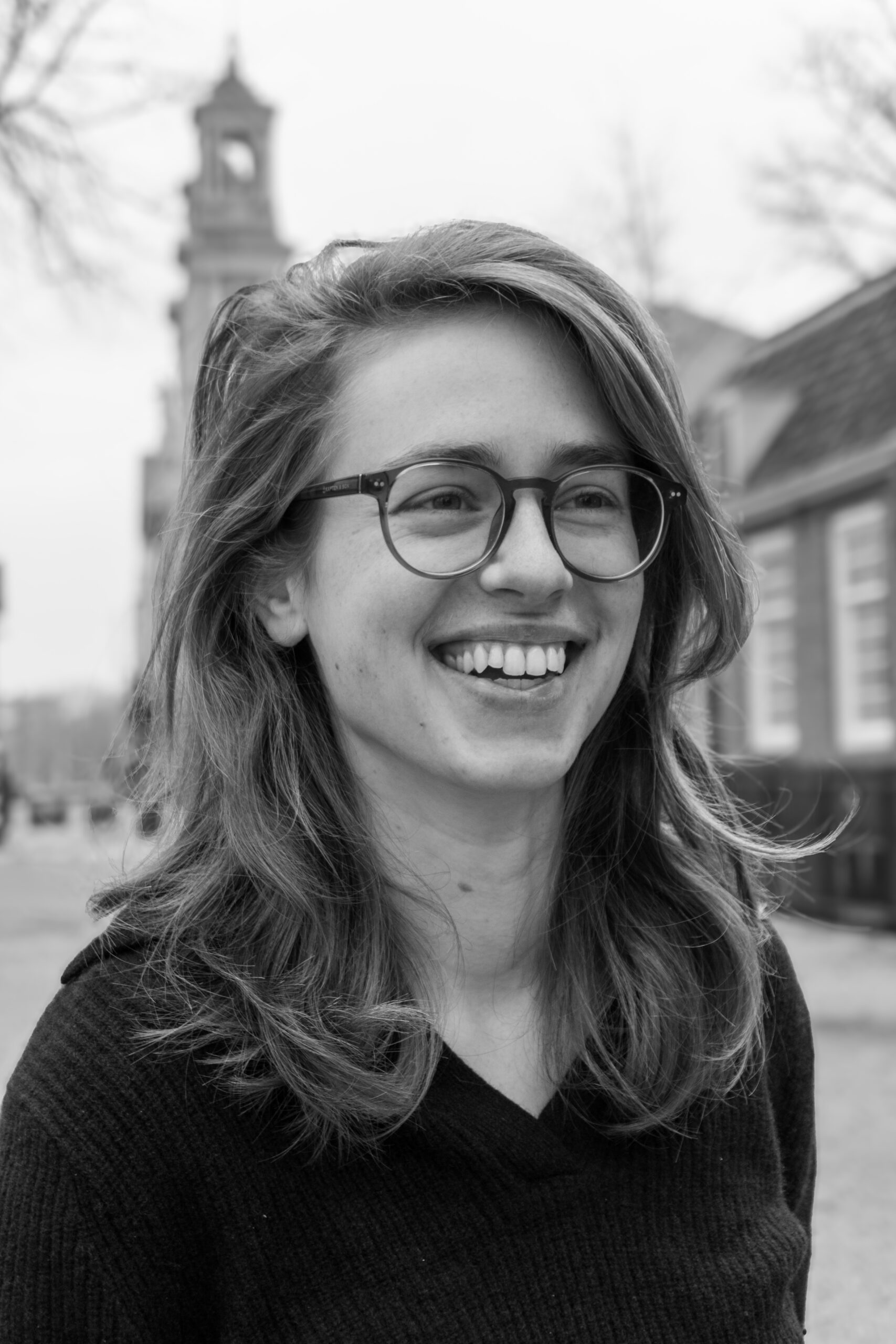
Amanda de Lannoy
Radboud University, Netherlands
Amanda de Lannoy is a PhD candidate at the Department of Modern Languages and Cultures at the Radboud Institute for Culture and History (RICH). She is currently working on her PhD project ‘Delegitimizing Democratic Institutions: Conspiracy Theories in the Netherlands’. Her broader research interests include parliamentary history, neoliberalism, and qualitative and digital methods for historical research. Amanda holds a Research MA in History, obtained at Utrecht University. She previously studied American Studies at Radboud University and the University of North Carolina Wilmington. After completing her Research MA, she worked as a lecturer at both the University of Amsterdam and Utrecht University.
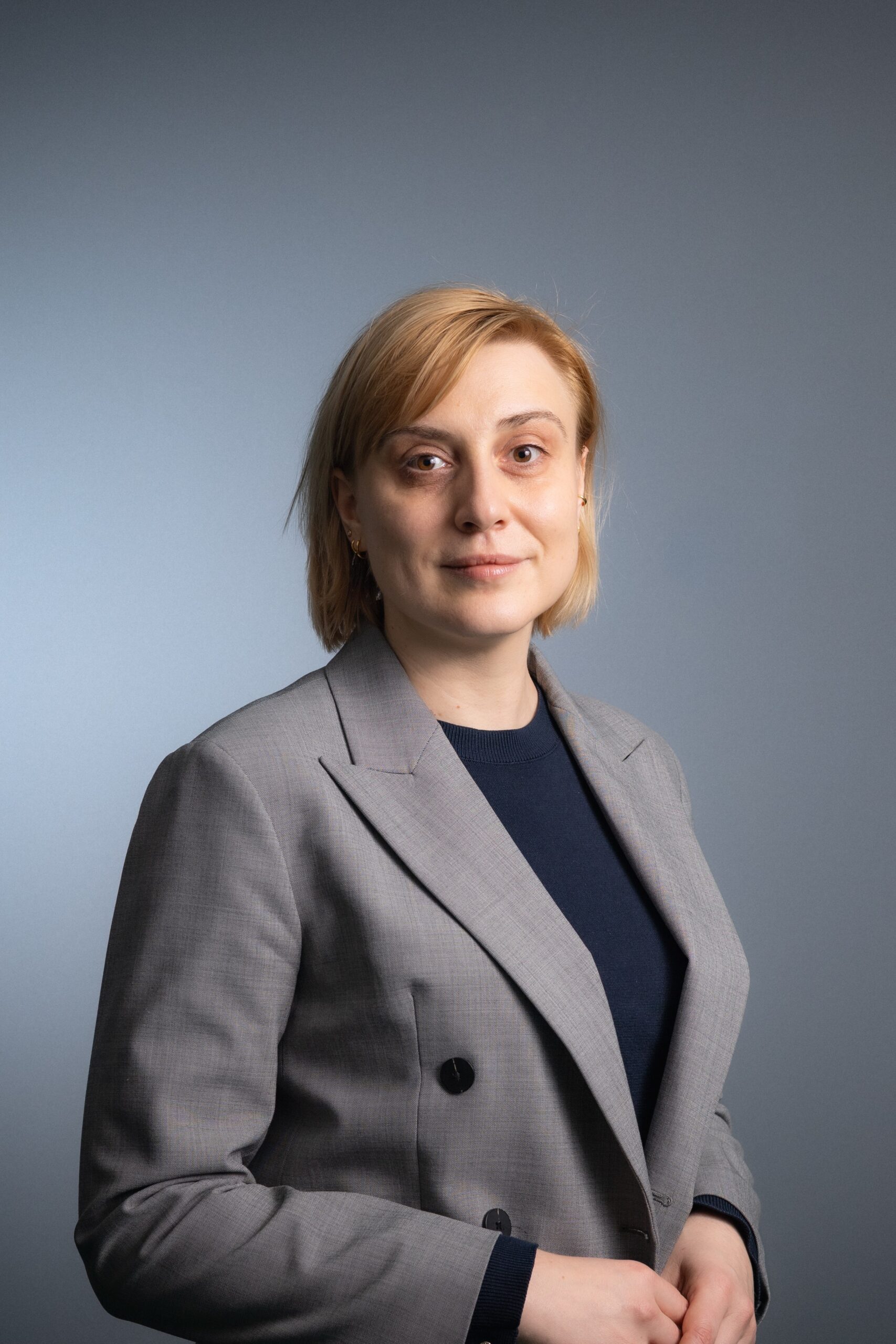
Tatjana Menise
Riga Technical University, Latvia
Dr. Tatjana Menise obtained her doctoral degree in semiotics and cultural studies from the University of Tartu. She recently completed a postdoctoral fellowship within the REDACT project, supported by CHANCE, where she examined the artistic dimension of conspiracy-theory discourse. Her research interests include cultural semiotics, digital discourse, participatory cultures, memory studies, and transmedia communication. She is currently a lecturer and researcher at the Institute of Digital Humanities at Riga Technical University.
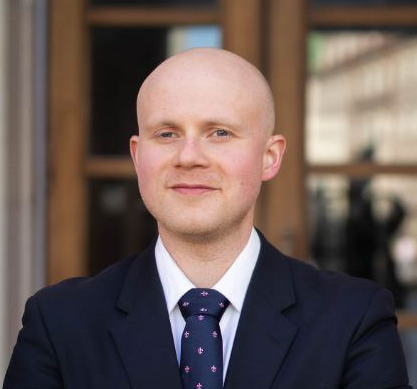
Andrii Anisimov
Tallinn University, Estonia
Andrii Anisimov (andreya@tlu.ee) is a Junior Research Fellow and PhD candidate at Tallinn University. His work focuses on multimodal storytelling in propaganda in the Russia–Ukraine war and on history-driven narratives in digital information warfare.
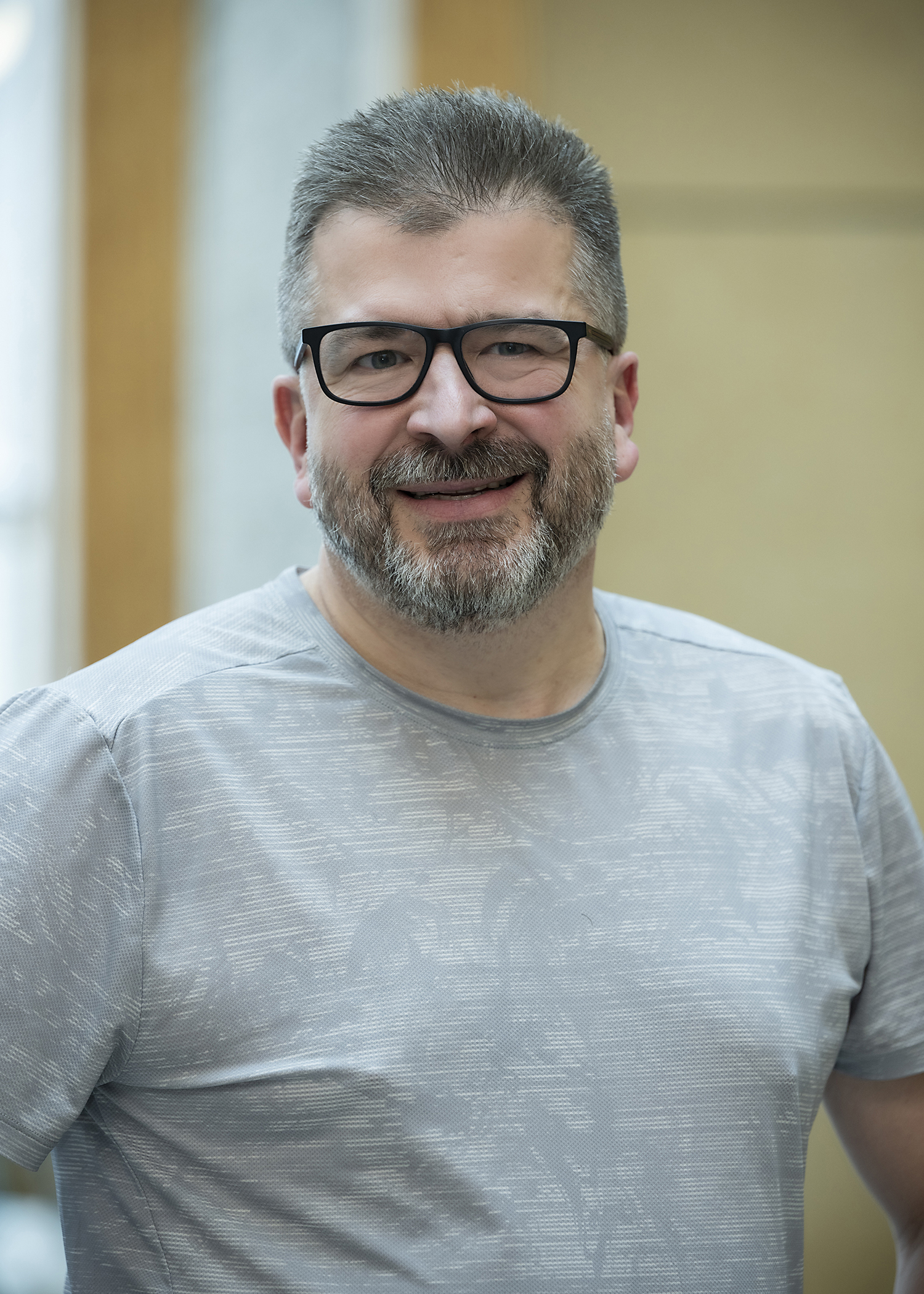
Michel Bouchard
University of Northern British Columbia, Canada
Michel Bouchard (PhD, University of Alberta) is a Professor of Anthropology at the University of Northern British Columbia in Prince George, Canada. His research examines the construction of collective identities across a range of historical and contemporary contexts, including French-speaking and Métis communities in North America and the development of Russian nationalism and imperial ideologies. He also investigates how digital culture—particularly memes—shapes national narratives and mobilizes online communities. In addition to his academic work, Bouchard has served as President of the Canadian Anthropology Society (CAS-SCA) and as Secretary of both the World Council of Anthropological Associations (WCAA) and the World Anthropological Union (WAU). His scholarship brings together historical analysis and ethnographic insight to illuminate how narratives of the past are produced, contested, and weaponized in the present.
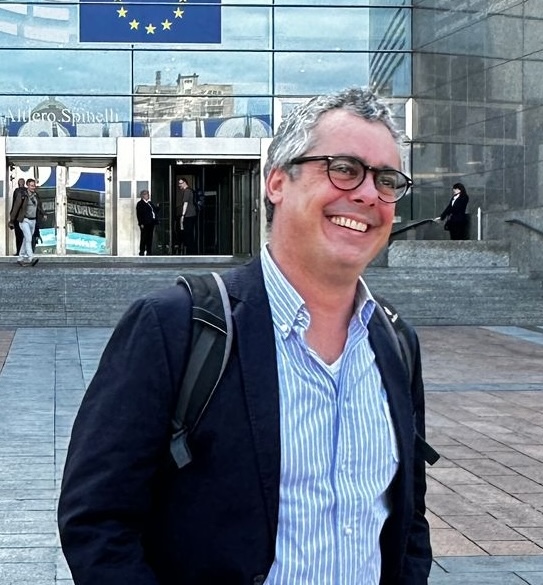
Marco Solinas
Sant’Anna School of Advanced Studies, Italy
Marco Solinas is an Associate Professor of Political Philosophy at Institut of Law and Political Sciences at Sant’Anna School of Advanced Studies in Pisa (Italy). His research focuses on critical theory of society, conspiracy theories and authoritarianism. He led the Jean Monnet Module GOLDSTEIN: “Debunking Political Uses of Denialisms and Conspiracy Theories in EU” (2022-2025). He edited the special issuee “Conspiracy Theories: Genealogies and Political Uses”, in Genealogy (2024-2025, open access); with Manuela Caiani and Hans-Jörg Trenz edited the book “Conspiracism and Political Conflicts” (London: Palgrave, 2026); he wrote the monograph “Conspiracy Theories and Politics” (“Teorie cospirative e politica”, Roma: Castelvecchi, 2025, open access), dedicated to an analysis of the political use of conspiracism, particularly within the framework of National Socialism.
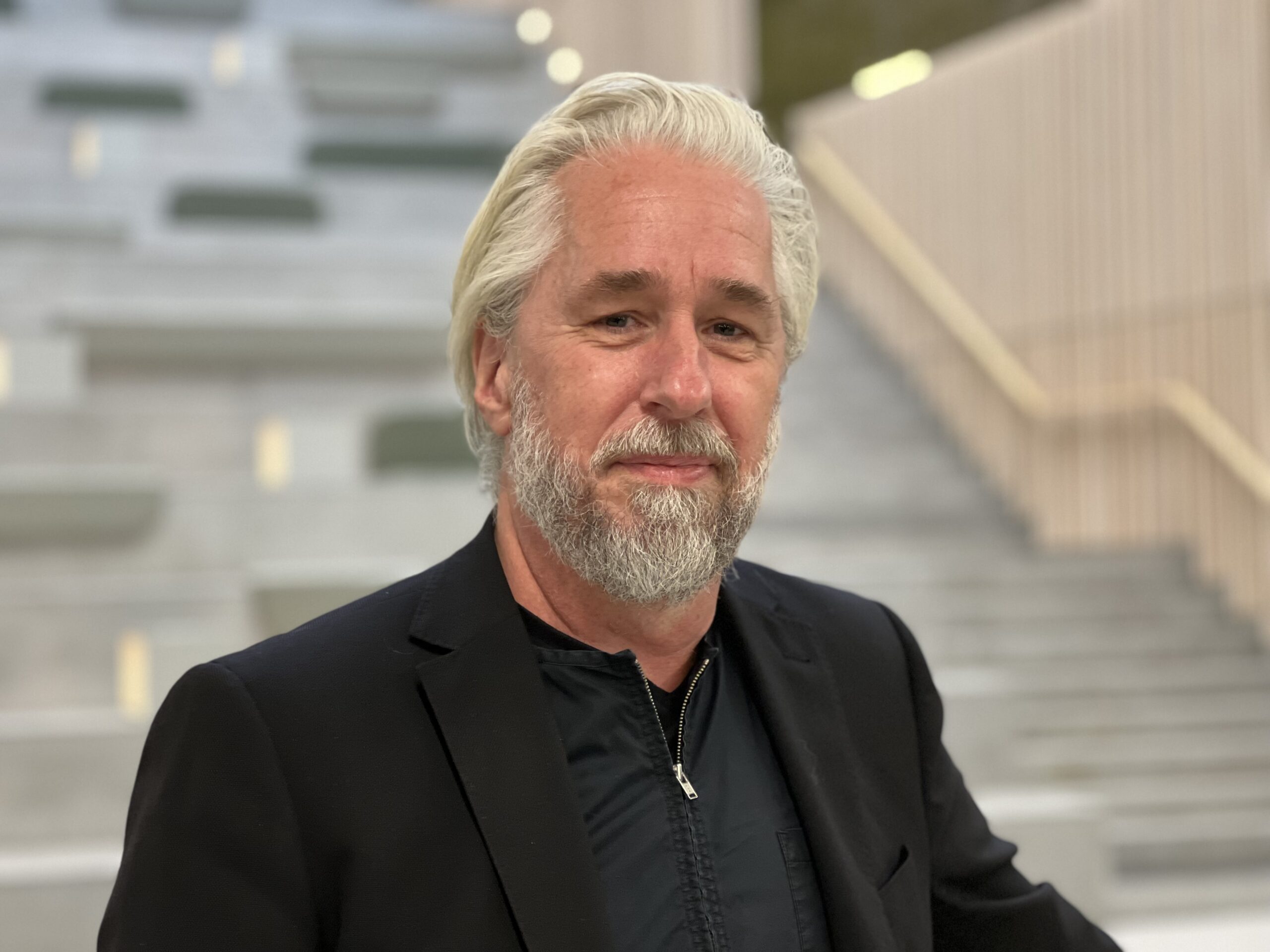
Tobias Pontara
University of Gothenburg, Sweden
Tobias Pontara is a professor of Musicology at the University of Gothenburg. His research lies at the intersection of audiovisual studies, media studies, and the cultural study of music. Among the leading international journals in which he has published are Philosophical Studies; 19th-Century Music; Music, Sound and the Moving Image; Popular Music and Society; International Review of the Aesthetics and Sociology of Music (IRASM); and Music and the Moving Image. Pontara is the author of Andrei Tarkovsky’s Sounding Cinema: Music and Meaning from Solaris to The Sacrifice (Routledge 2020). His most current research project, titled Conspiracy Soundtracks, examines the role of music and sound in audiovisually mediated conspiracy theoretical discourse, funded by the Swedish Riksbankens Jubileumsfond (2023–2026).
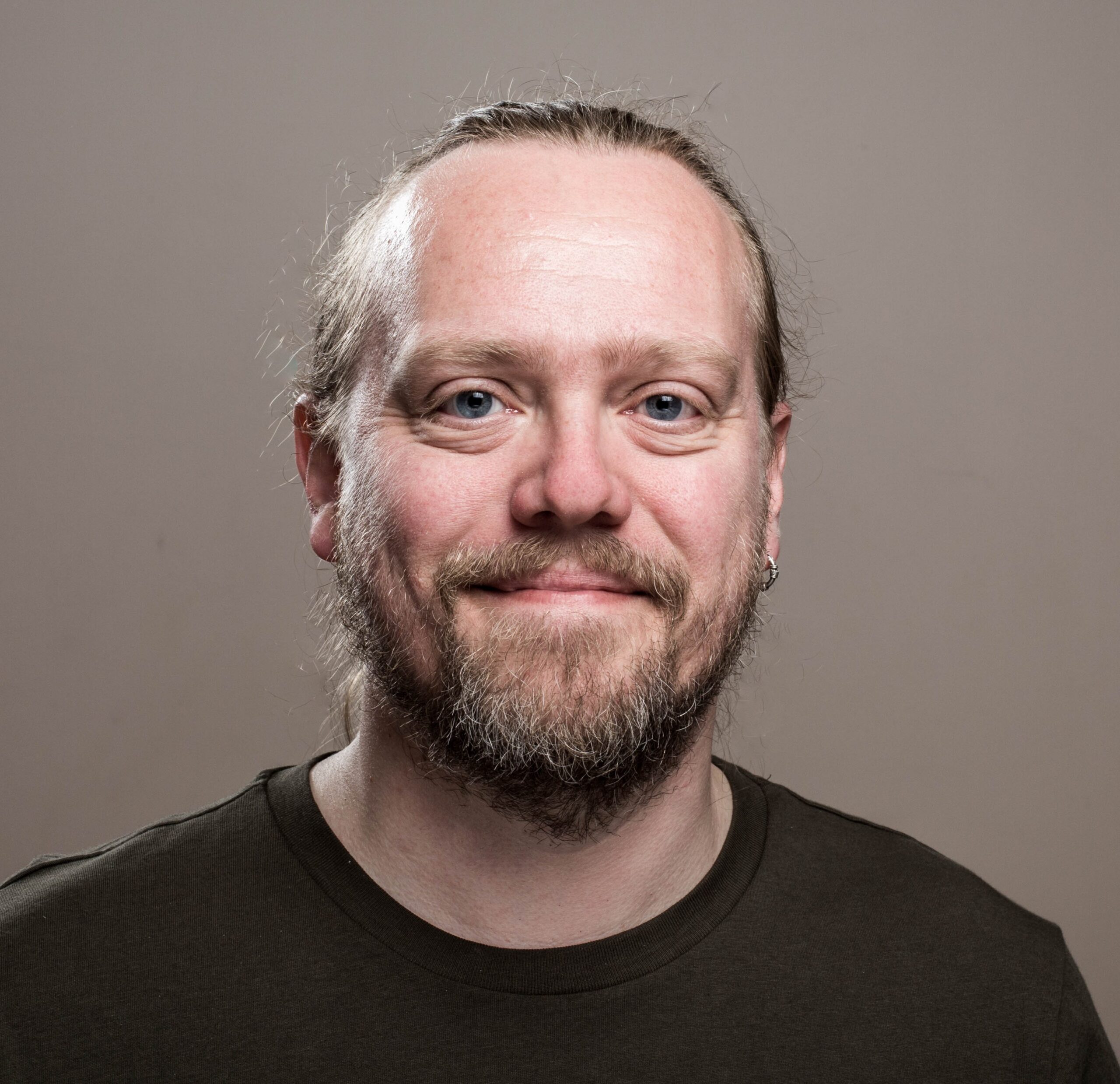
Jesper Aagaard Petersen
Norwegian University of Science and Technology (NTNU), Trondheim, Norway
Dr. Jesper Aagaard Petersen holds a PhD in religious studies from NTNU, with a dissertation on modern Satanism as discourse, milieu and self. He is currently employed as associate professor of religious studies didactics at the Department of Teacher Education, NTNU, where he is co-leading the research group KONSPISK. His research focuses on conspiracy theories in school and society, modern Satanism and other modern esoteric phenomena, alternative narratives of science and technology, and the theory and methodology of didactic translations of academic disciplines. He is currently engaged in an interdisciplinary project on The Hum as noise-related folklore.

Draga Gajić
University of Novi Sad, Serbia
Draga Gajić graduated at the top of her class from the Faculty of Political Sciences in Banja Luka with a Bachelor of Arts in Political Science. Draga also earned two master’s degrees; one in Gender Studies from the University of Novi Sad and the other in Political Science from the Faculty of Political Sciences in Banja Luka. To complement her studies, Draga audited the graduate-level course Gender Equality in the Nordic Countries at the University of Oslo and a PhD-level course Gender, Peace and Conflict at the Peace Research Institute Oslo (PRIO) in Norway. Draga Gajić is a PhD Candidate at the University of Novi Sad (Interdisciplinary Doctoral Program in Social Sciences and Humanities). She is the author of four books and numerous research papers in the field of Gender Studies, Gender and Media, Women’s History, Women’s Heritage, Gender-Based Violence (GBV), Gender Responsive Education, Gender and Peace, and Communication for Development.
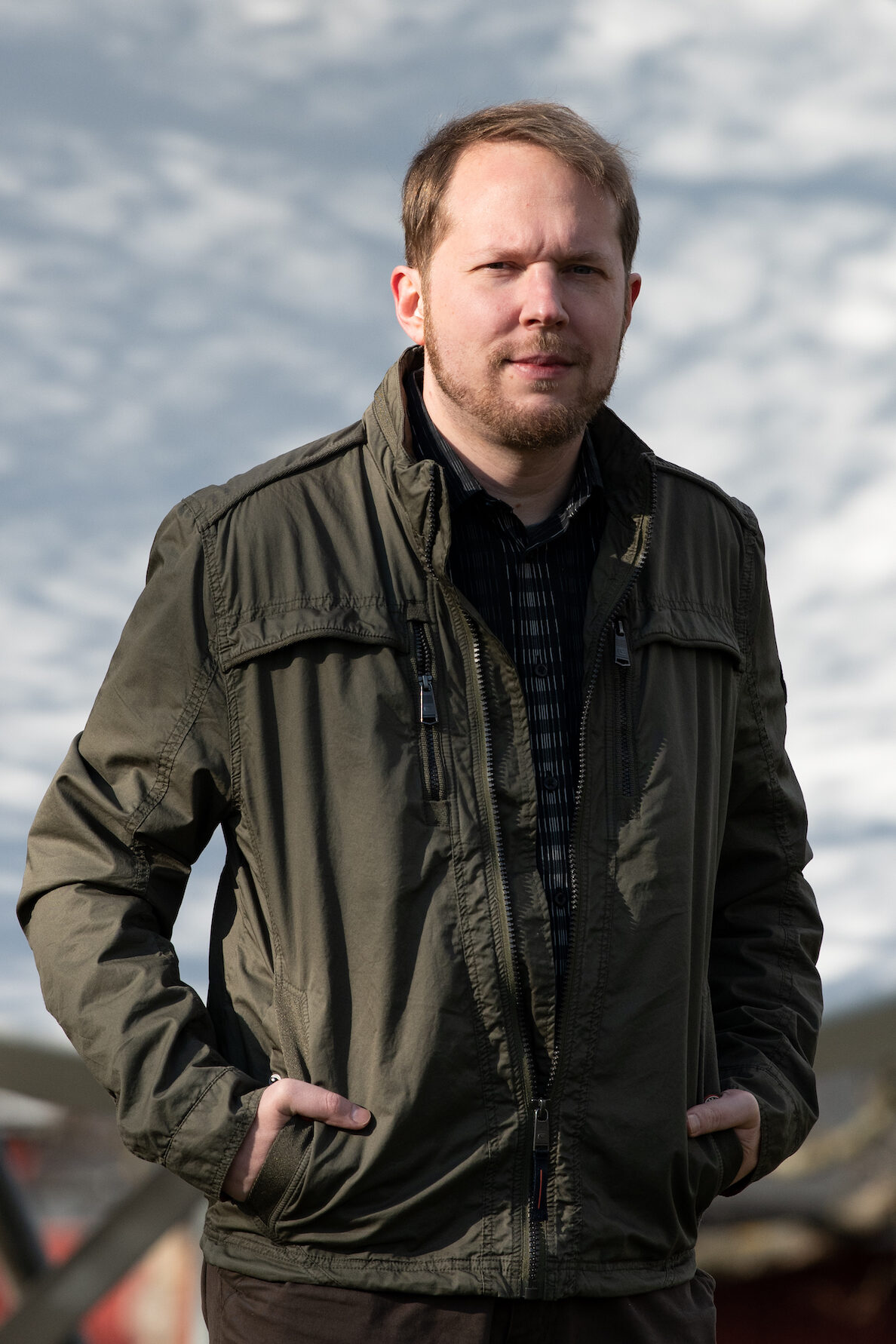
Toni Saarinen
University of Helsinki, Finland
Toni Saarinen is a PhD student who is currently finishing his dissertation at the University of Helsinki. His main research subjects are modern – especially late modern – forms of mythic thinking, most of all conspiracism and apocalypticism. For nearly a decade, he has incorporated theories of classic and contemporary myth research into his analysis of conspiracist discourses and narratives. Saarinen has also researched climate change denialism, vernacular and countercultural discourses and counterknowledge, alternative belief-systems, Internet culture, and representations and reimagining of myths in fiction. Additionally, he is interested in posthuman conceptions of climate change’s relationship with contemporary apocalyptic views. Saarinen has written adjacent articles on eschatological populism, creepypasta, and depictions of climate apocalypse in film. He is also a speculative fiction author.

Niki Sopanen
University of Helsinki, Finland
Niki Sopanen, (MSocSC) is a doctoral candidate in International Relations at the University of Helsinki. He is currently working on a monographic dissertation that cross-compares the use, causes and impacts of conspiratorial rhetoric in Sino–U.S. relations. In the past few years, he has acted as a part-time teacher at the Open University of the University Helsinki, teaching political science, conspiracy theory studies and China studies.
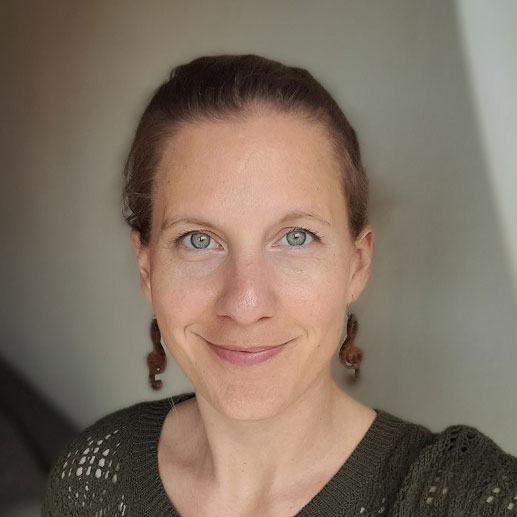
Katarina Damčević
Leibniz-Institut für Ost- und Südosteuropaforschung, Germany
Katarina Damčević is a researcher whose work focuses on the semiotics of hate speech, contested symbols, and memory politics in (post)conflict societies, with a regional emphasis on Southeast Europe. She works as a researcher at the Leibniz Institute for East and Southeast European Studies (IOS) in Regensburg, Germany. Her current research explores questions of epistemic authority and develops a semiotic approach to gaslighting in political communication. Katarina is an associate at the University of Tartu and the University of Rijeka, a member of the editorial team of Southeastern Europe (Brill), and one of the founders of the Center for Holocaust and Genocide Research in Southeast Europe (University of Rijeka).
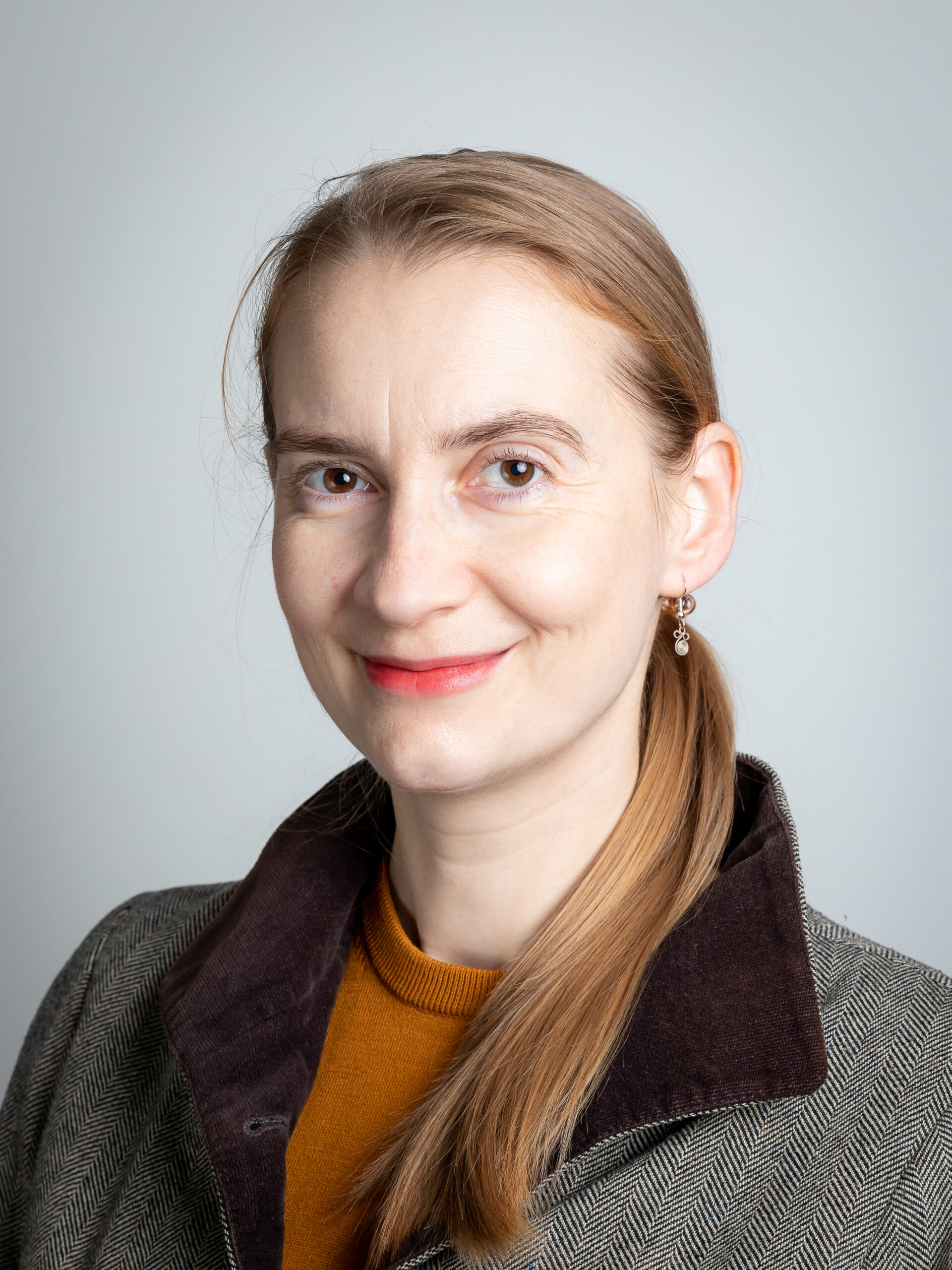
Kamila Szczepanska
University of Turku, Finland
Kamila Szczepanska is a University Lecturer at the Centre for East Asian Studies at the University of Turku in Finland. She holds a joint PhD degree from the School of East Asian Studies, University of Sheffield (UK) and the School of Law, Tohoku University (Japan). In 2022 she received the title of Docent from the University of Turku. Szczepanska is a PI on the Kone Foundation project (2025-2027) titled “Conspiracy Theories, Anti-Science, and Disinformation in East Asia: Perspectives from Japan”, working together with her colleague Docent, Dr Yoko Demelius. Additionally, she investigates the changing relationship between Japan, Ukraine and Central European countries, including their shared challenges in terms of being subjected to disinformation campaigns and cognitive warfare.
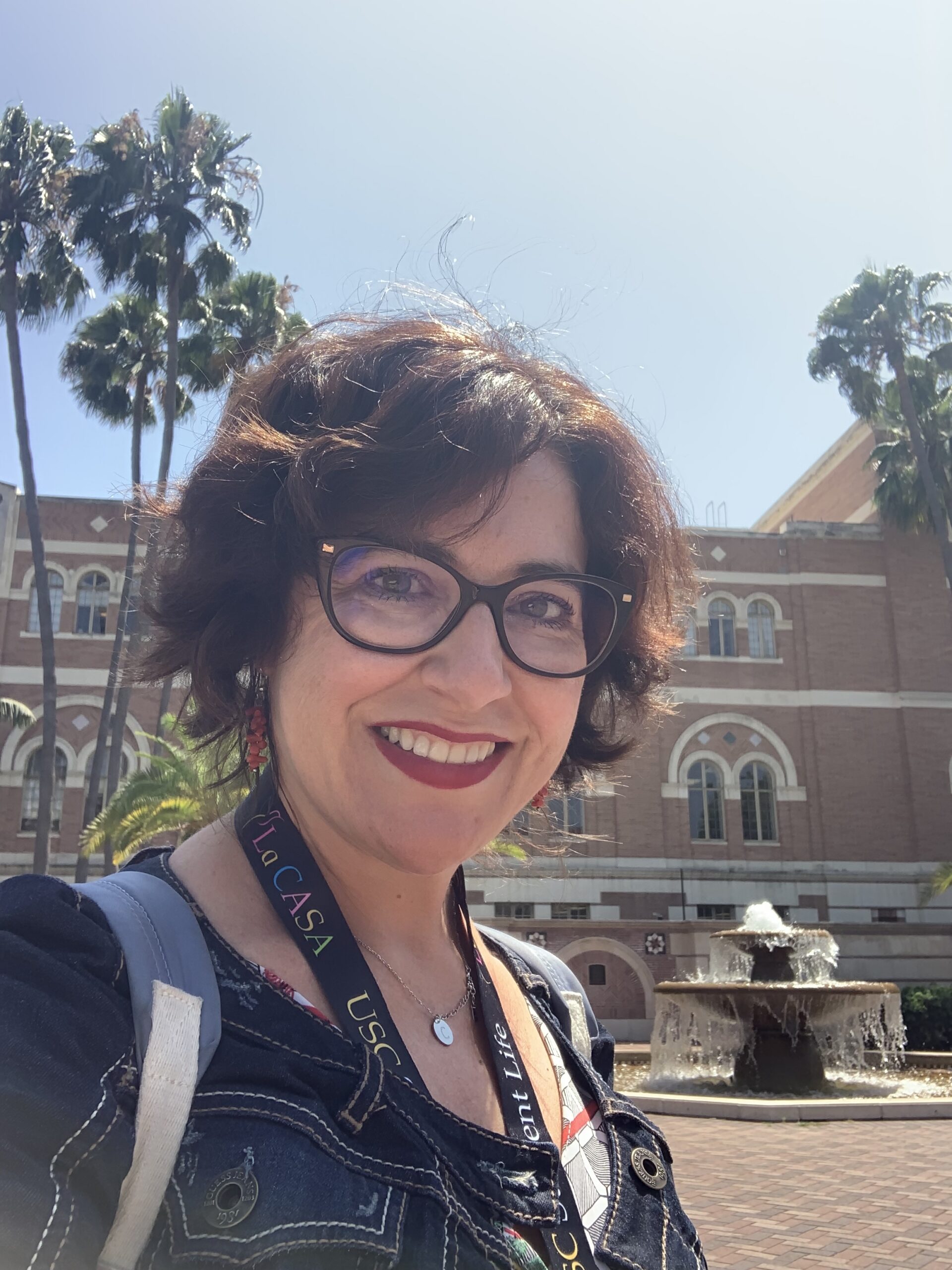
Carmen Maíz-Arévalo
University of Madrid, Spain
Dr. Carmen Maíz-Arévalo obtained her PhD in Linguistics in 2001. She is associate professor at the Complutense University of Madrid. Her research focuses on Pragmatics, Intercultural Pragmatics, Digital Communication, and Humour Studies. She has published widely in journals such as Computer Assisted Language Learning, Journal of Politeness Research, Journal of Pragmatics, Discourse Studies, and Intercultural Pragmatics.
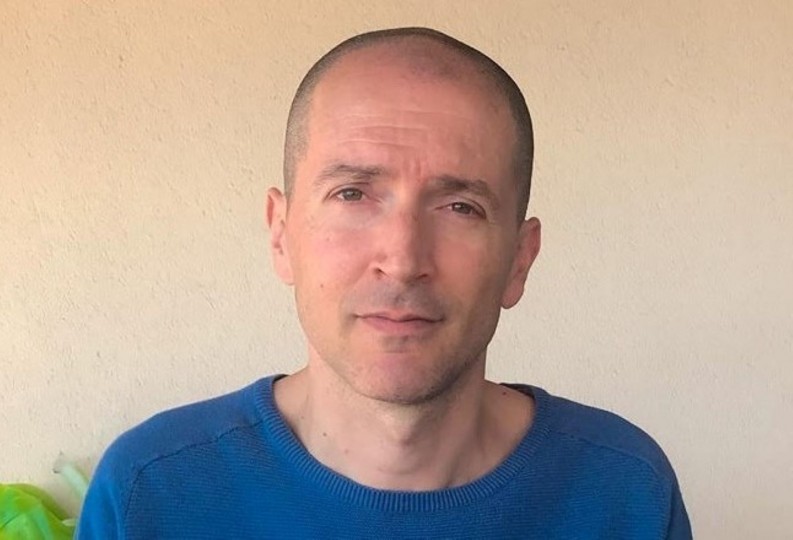
Alejandro Romero Reche
University of Granada, Spain
Alejandro Romero Reche is a lecturer in Sociology at the University of Granada, where he teaches Contemporary Sociological Theory and Electoral Analysis. His research interests include the sociologies of humour, knowledge, popular culture and conspiracy theories. On this latter topic, he has published books such as “Sociología de las teorías de la conspiración” (“Sociology of conspiracy theories”, 2023) and “Contubernios nacionales” (“National contrivances”, 2021; an illustrated primer for the general public on Spanish right-wing conspiracy theories), a number of book chapters, and several papers in a variety of journals. As a comics writer, he has contributed to popular humorous magazines in Spain and published two graphic novels.
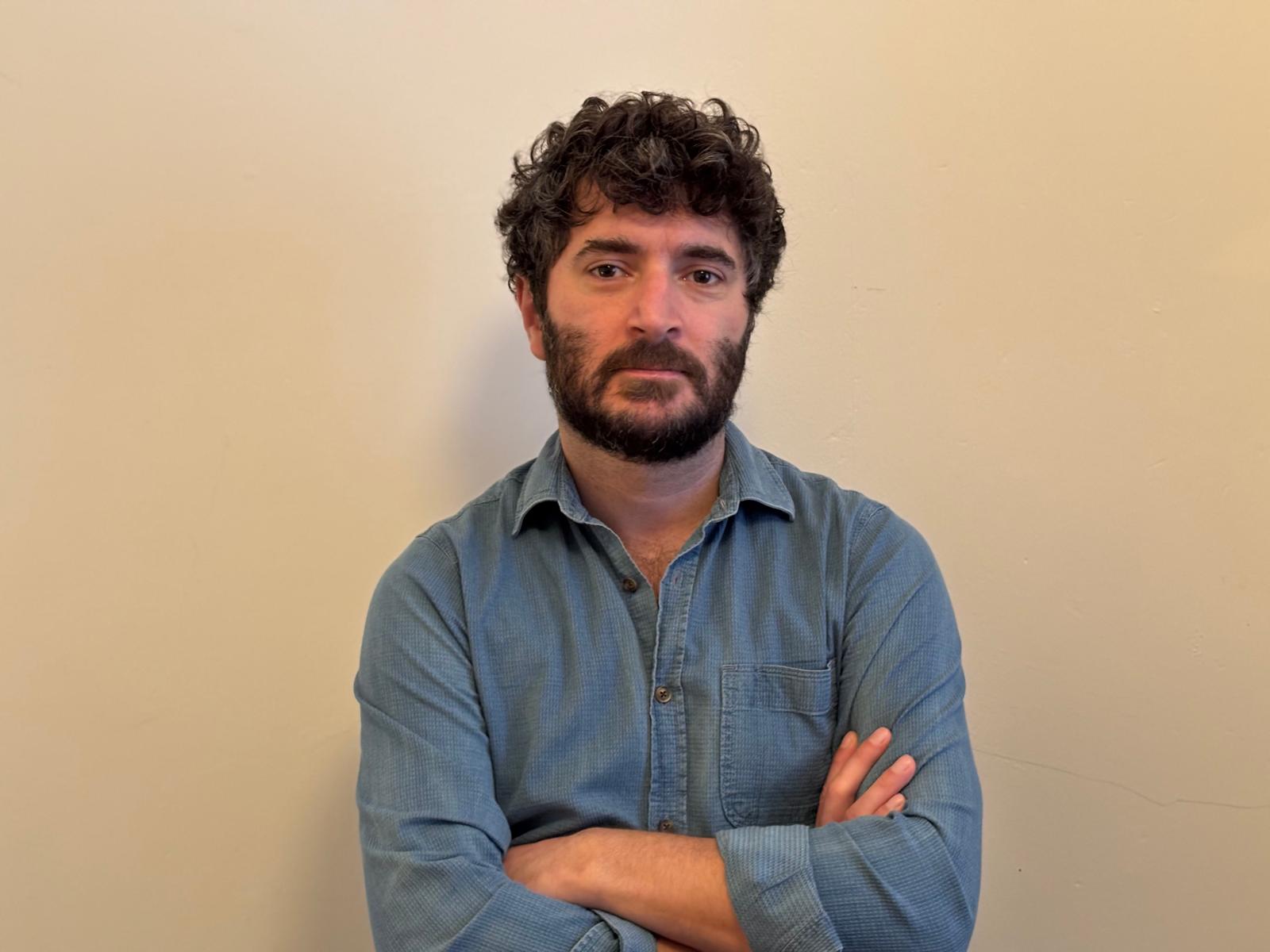
Erol Saglam
UCL & Istanbul Medeniyet University, Turkey
Dr Saglam is associate professor of social anthropology working on the reconfigurations of statecraft and masculinities at the intersections of conspiracy theories, collective memory, societal violence, and street-level bureaucracies. Following his doctoral studies at Birkbeck, University of London, Saglam worked as a postdoctoral fellow at Stockholm University and Freie Universität Berlin, was a member of international panel on violence at Columbia University’s Columbia Global Centers, and was a visiting scholar at the University of Cambridge. Saglam also works as associate professor at Istanbul Medeniyet University’s Department of Sociology and as research fellow at UCL Institute for Global Prosperity. Saglam’s publications dealt with conspiracy theories and their socio-political effects, everyday dynamics that forge and maintain masculinities, vigilantism, bureaucracies, and ethnographic methods.
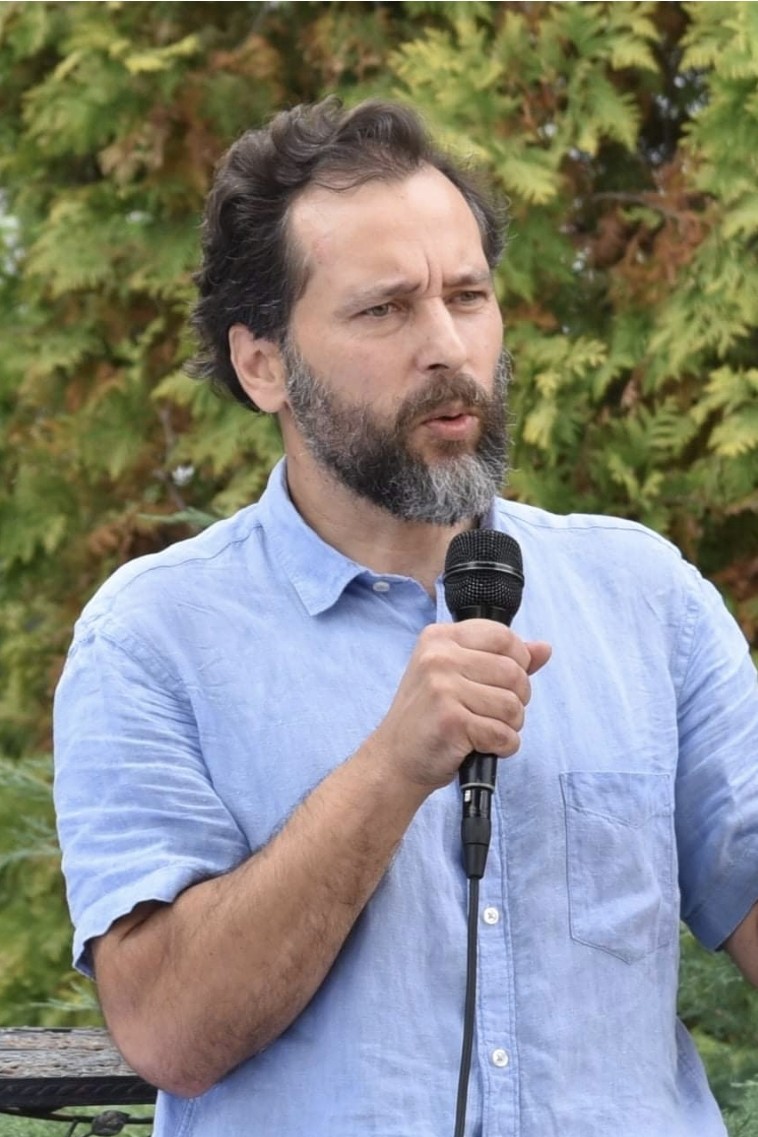
Todor Hristov
University of Sofia, Bulgaria
Todor Hristov, professor, teaches critical theory and cultural studies at the University of Sofia. His research spans critical discourse analysis, cultural and governmentality studies. His recent works include Marital Quarrels and Critical Theory (2024), Impossible Knowledge (2019), and Plots: Conspiracy Culture and Literary Form (2021, co-edited).
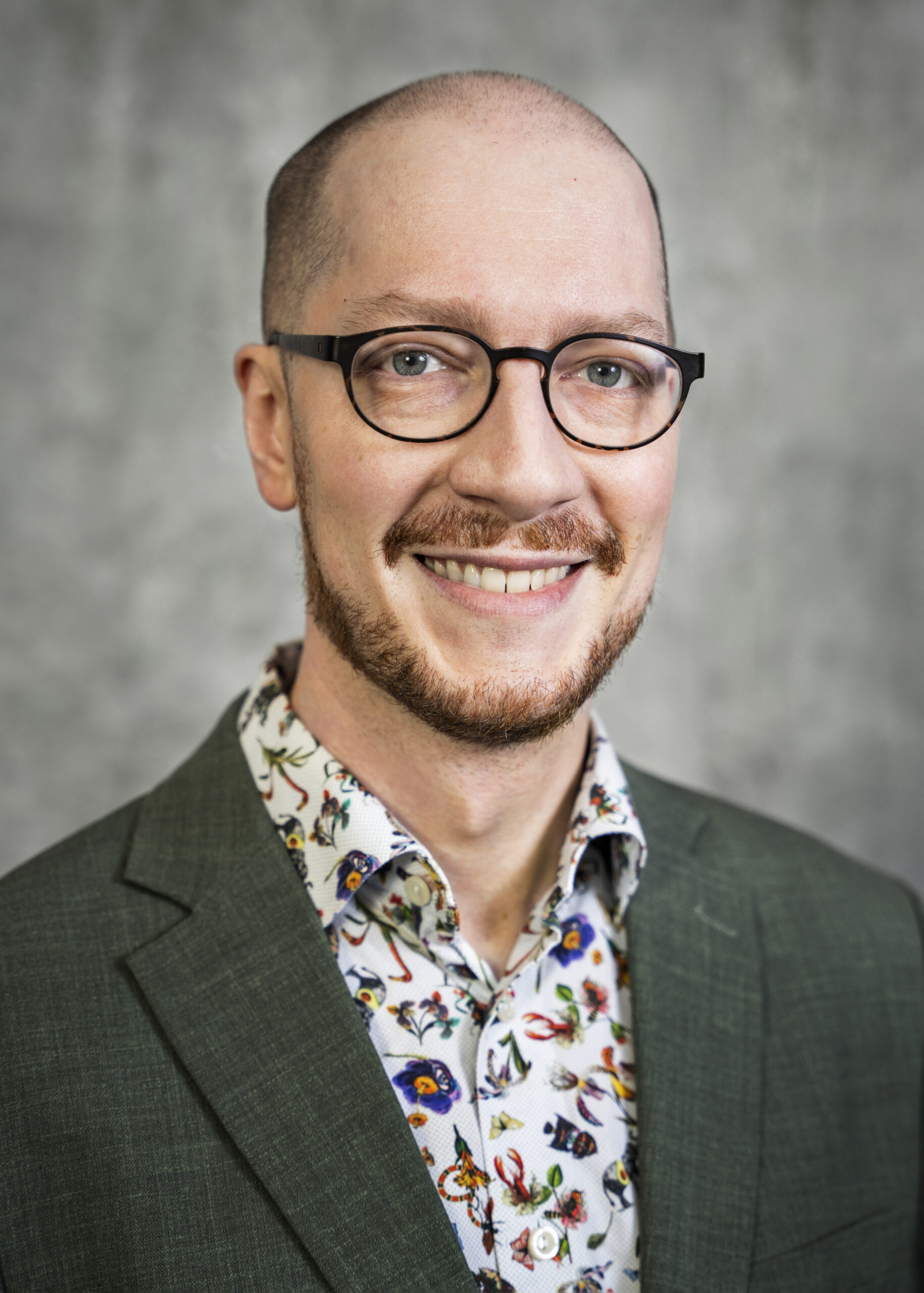
Aaron James Goldman
Lund University, Sweden
Dr. Aaron James Goldman (PhD in Religious Studies, Harvard University, 2021) is a post-doctoral research fellow in philosophy of religion at Lund University. A specialist in the history of modern European philosophy and religious thought, Aaron investigates how insights from this historical complex can fruitfully be brought into critical conversation with today’s pop culture and politics, including conspiracisms.
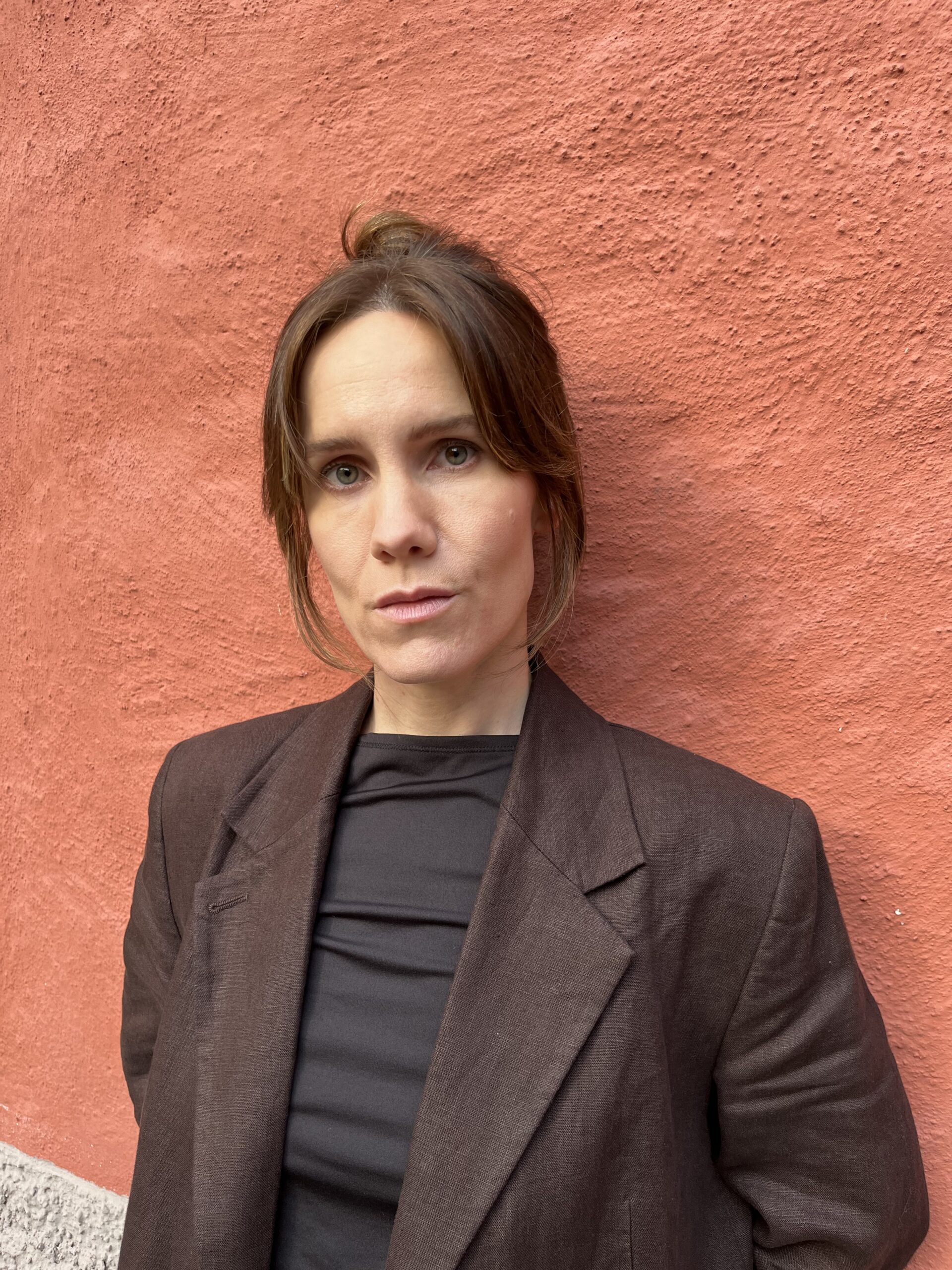
Julia Aspernäs
Julia Aspernäs researches the psychological underpinnings of conspiracy beliefs, misinformation, and related phenomena. Her work focuses on how ideological commitments, epistemic beliefs (such as belief in truth relativism), and cognitive biases shape susceptibility to conspiratorial narratives, as well as the downstream consequences for democratic attitudes. She has previously published research on participation in political protest activities. Aspernäs also has extensive experience in popular science writing, is a recipient of the 2025 Natur & Kultur working grant for science communication, and regularly speaks at public and professional events. Since 2023, she has collaborated with the Museum of Work (Arbetets museum) on their democracy exhibition, applying psychological research to inform its content.